The Joy of Childhood: Exploring the Magic of Sound and Play
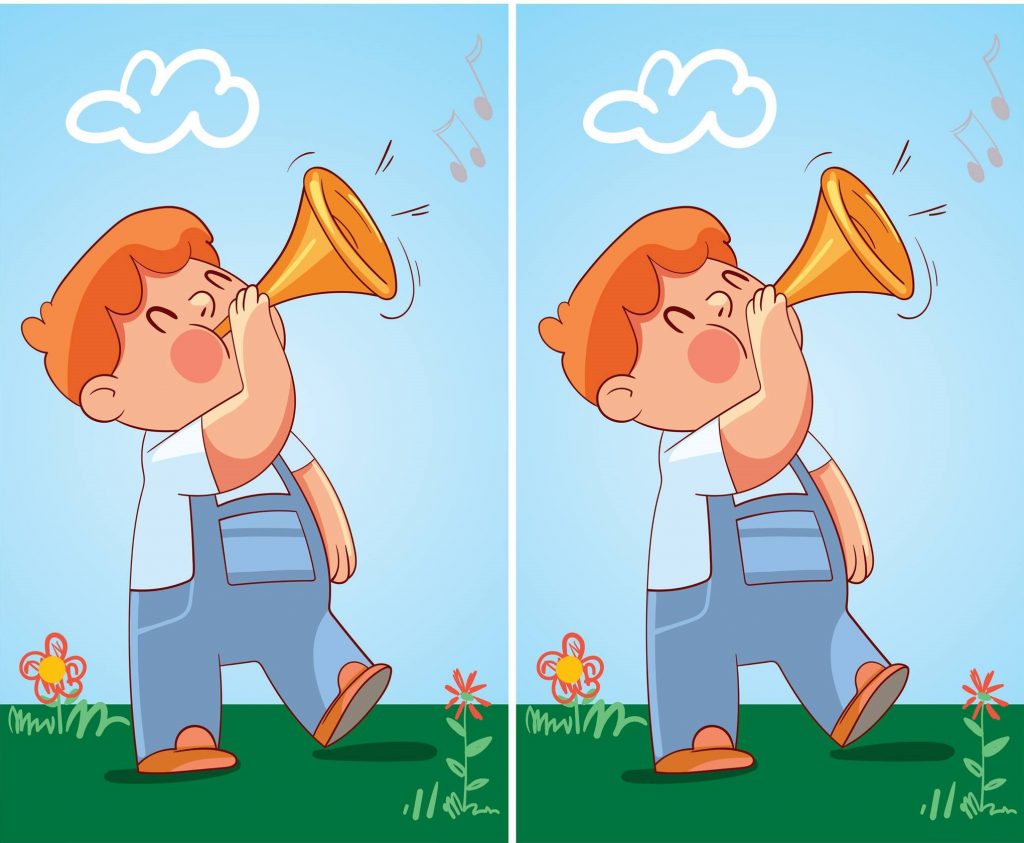
Childhood is a time of discovery, adventure, and constant learning. Whether it’s experimenting with new sounds or exploring the outdoors, each moment offers an opportunity for growth. The image of a young child blowing through a toy horn, his face alight with joy, perfectly encapsulates the simple but profound pleasures of childhood play. In this article, we will dive into the importance of music, sound, and play in a child’s development, and explore how seemingly simple activities—like blowing a toy horn—have far-reaching benefits.
The Power of Sound in Early Childhood
Sound plays an essential role in the early development of children. From the moment they are born, babies begin to engage with the world through sound. Hearing the voice of a parent, the sound of music, or the noise of nature, helps babies develop auditory skills that are crucial for communication and learning. As children grow older, their interest in different sounds expands, leading them to experiment with toys, musical instruments, or even their voices.
In the image, the child is using a toy horn to make sound. This simple activity is not only fun but also helps with auditory discrimination. The child is learning to associate their actions with a sound, fostering an understanding of cause and effect. Whether it’s the horn blowing air or a toy creating noise, children develop an appreciation for the world of sound, setting the foundation for more complex learning later on.
Physical Coordination and Motor Skills Development
Playing with instruments like horns, whistles, or even clapping hands is not just about sound—it’s also an activity that encourages physical development. In the case of the child with the horn, blowing air into the instrument helps with the coordination of breathing and mouth muscles, which is essential for both speech and physical coordination.
This kind of play supports fine motor skills as the child holds the horn and manipulates it to produce sound. Blowing through the toy also strengthens the diaphragm and respiratory muscles, improving lung capacity and control. By practicing these motions, children build physical strength and gain better control over their bodies. These physical skills help children in other areas of life, from holding a pencil to playing sports.
Cognitive Growth Through Music and Sound
Engaging with sound, particularly through music, plays a critical role in cognitive development. Musical play has been shown to enhance memory, attention, and problem-solving abilities. As the child in the image blows into the horn, they begin to understand that their actions lead to a specific outcome. This form of interactive learning teaches important cognitive concepts such as pattern recognition and sequencing.
Additionally, the experience of creating sound with a toy helps develop auditory memory. Children may begin to experiment with different pitches, rhythms, and volumes, creating a variety of sounds. This not only stimulates their creativity but also teaches them about different frequencies and how sound waves work. These cognitive skills are foundational to both language acquisition and more complex academic tasks later in life.
Social and Emotional Benefits of Play
While the child in the image is engaged in individual play, activities like blowing a horn can also have social and emotional benefits. Often, children learn how to share toys and engage in cooperative play, building vital social skills. Playing an instrument, even a simple toy like a horn, encourages children to express themselves and communicate with others.
Moreover, music and sound-based activities help children manage their emotions. Just like playing a favorite song can make a child happy, playing with sound can bring joy and comfort. This emotional connection to sound and music is why many children sing to themselves, hum, or create rhythms—they are expressing their feelings, processing emotions, and calming themselves through auditory play.
Fostering Creativity Through Sound Exploration
At its core, the act of playing with a toy horn or any other sound-producing object is an invitation to explore. Children are naturally curious, and through this type of play, they are not only learning how things work but also tapping into their own creativity. As they blow through the horn, children might begin to imagine stories, create sound effects, or even develop their own melodies.
This creative exploration enhances problem-solving abilities. For example, children may experiment with how to make the horn sound differently—trying to blow harder or softer, or adjusting their mouth to produce higher or lower notes. This process encourages trial and error, a fundamental part of learning, while also fostering an inventive spirit.
The Role of Parents and Caregivers in Musical Play
While the child in the image is enjoying the experience on their own, parental or caregiver involvement can significantly enrich the play experience. Parents can help expand the child’s understanding of sound and music by introducing different instruments, singing songs together, or simply encouraging the child to explore how they can make various noises.
Parents can also help children use sound to convey emotions or communicate with others. For example, the sound of a horn might signal the start of an activity, or different pitches might represent different emotions or moods. By integrating sound and music into everyday activities, parents foster an environment of learning and creativity.
Creating a Learning Environment Through Play
The playful act of using a toy horn in the image exemplifies how everyday items can be transformed into learning tools. The child’s interest in sound, music, and physical play is fostered by a playful and supportive environment. To further enhance this type of play, parents can introduce other musical instruments or noise-making objects, like tambourines, maracas, or bells. These items can be used in various contexts, from family sing-alongs to simple games, making the learning process both fun and engaging.
Encouraging play with sound allows children to express themselves and learn while having fun. By providing them with a variety of toys and instruments, you help them understand the world around them and develop essential skills, including listening, problem-solving, and creativity.
Conclusion: The Lasting Impact of Playful Sound Exploration
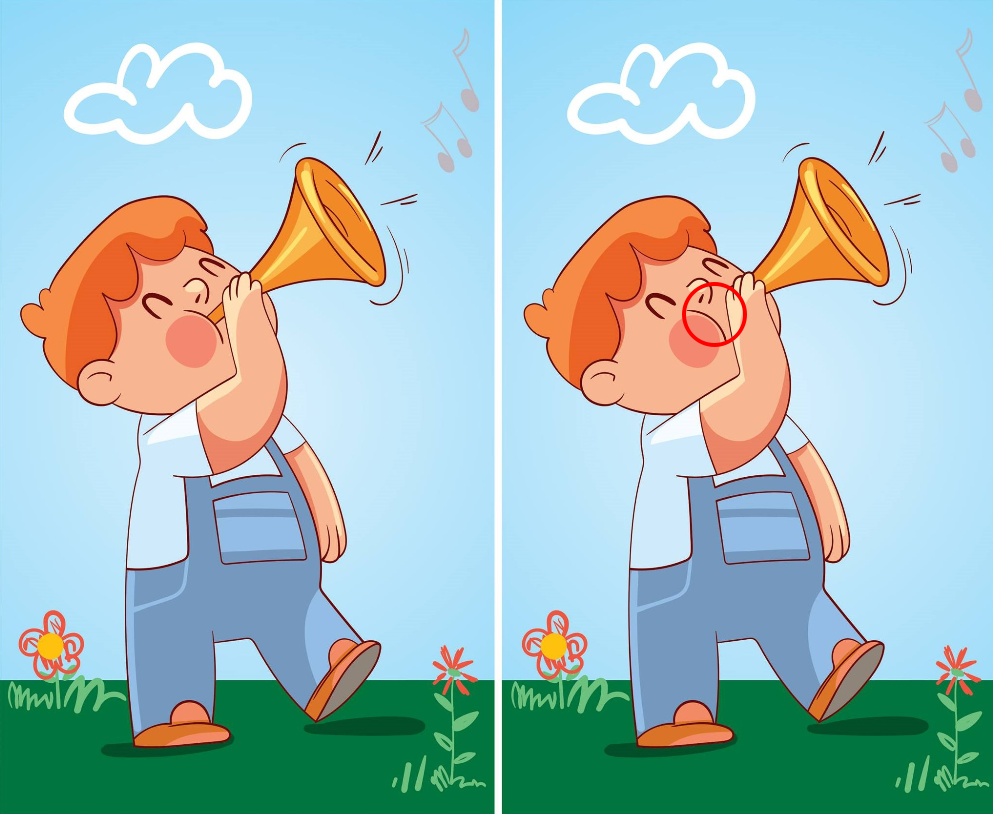
The image of the child playing with a toy horn reminds us of the power of sound in childhood development. Through playful exploration, children engage their senses, build motor skills, develop cognitive abilities, and nurture their creativity. Whether it’s blowing into a toy horn, making music with pots and pans, or singing along to a favorite song, sound is a key part of early learning and emotional growth.
By fostering environments where children can experiment with sound and music, we help them develop skills that go beyond the playground or toy room. So, the next time you see a child making noise, whether with a horn or their own voice, remember that this playful moment is much more than just fun—it’s a vital part of their growth and development.