Cultivating Curiosity: How Gardening with Pollinators Teaches Kids Responsibility and Science
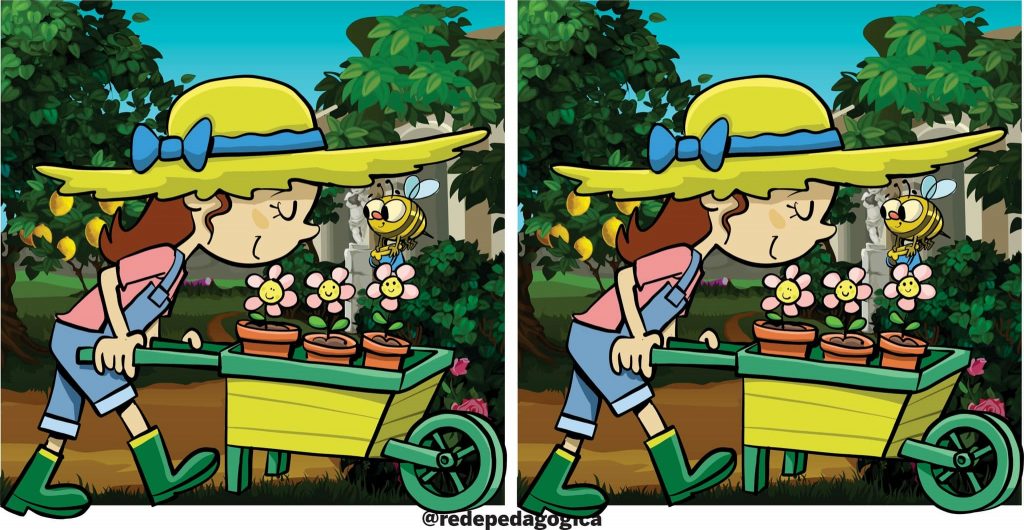
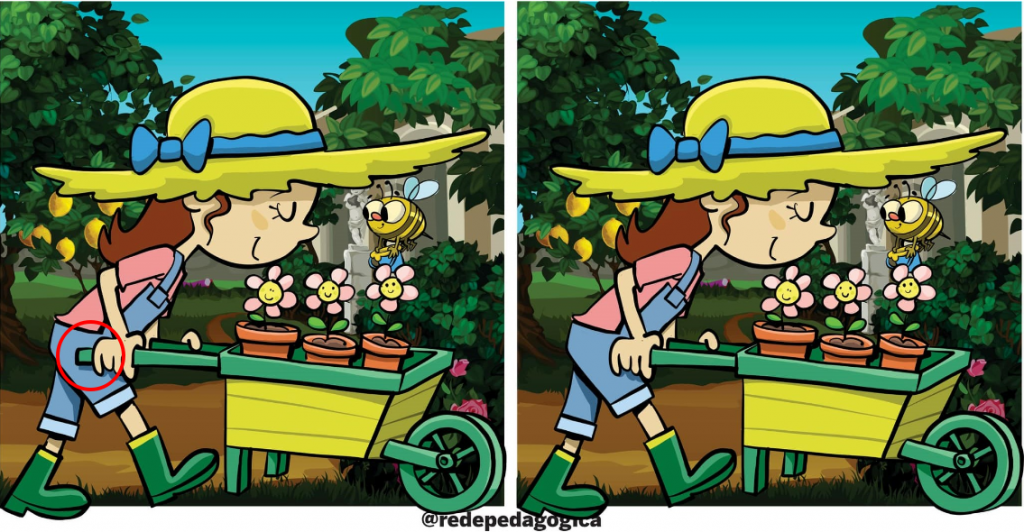
From the buzz of busy bees to the sweet scent of fresh blossoms, gardening offers children a living classroom bursting with lessons in biology, responsibility, and environmental stewardship. In the charming scene above, a young girl leans over her wheelbarrow full of potted flowers, sharing a gentle moment with a curious honeybee. This simple snapshot captures the magic of hands-on nature play. Let’s dig into why garden-and-pollinator activities spark lifelong learning, how to set up an engaging garden project for kids, and the science behind bees’ essential role in our ecosystem.
Why Gardening Matters for Kids
Gardening is more than just digging dirt—it’s a multisensory experience that nurtures mind, body, and heart.
- Hands-On Science Lessons
Watching seeds sprout, roots anchor, and flowers bloom introduces kids to plant biology, life cycles, and ecological interdependence in a way textbooks can’t match. - Responsibility and Routine
Daily tasks like watering, weeding, and monitoring growth build dependability and time-management skills as children learn that living things depend on their care. - Fine and Gross Motor Development
Transferring soil, planting seedlings, and pushing a loaded wheelbarrow strengthen hand-eye coordination and muscle control—key for writing, sports, and everyday activities. - Emotional Well-Being
Tending to green life reduces stress, boosts mood, and fosters a sense of calm and pride in children as they watch the fruits of their labor flourish.
In short, a simple garden transforms into a dynamic, growth-focused playground for young learners.
Setting Up a Kid-Friendly Pollinator Garden
Creating a safe, stimulating garden space helps children engage fully with nature and pollinators like bees and butterflies.
- Choose the Right Spot
Find a sunny patch—at least six hours of sun—near water access. If space is limited, containers or raised beds on a patio work beautifully. - Select Pollinator-Friendly Plants
Pick bright, nectar-rich flowers such as lavender, sunflowers, zinnias, and bee balm. Native species often attract local pollinators more readily. - Use Child-Safe Tools
Provide small gloves, trowels with rounded tips, and a lightweight watering can. Colorful, well-sized tools make gardening feel like play, not work. - Create Pollinator Stations
Add shallow water dishes with stones, bee houses, and butterfly feeders. These features transform your garden into an inviting habitat for helpful insects. - Label Everything
Use fun plant markers or painted rocks to help kids track what they planted and observe which flowers pollinators prefer.
By crafting a kid-focused garden, you invite exploration, experimentation, and a deeper appreciation for our buzzing friends.
The Science of Pollination: Why Bees Rock
As our young gardener greets her winged visitor, she’s witnessing one of nature’s most vital processes: pollination.
- How It Works
Bees collect nectar and pollen from flower to flower. Pollen grains stick to their bodies and transfer from the male (anther) to the female (stigma) parts of flowers, leading to fertilization and seed production. - Ecosystem Importance
Roughly one in three bites of food depends on animal pollinators. Without bees, fruits, nuts, and vegetables would dramatically decline, affecting global food security. - Bee Behaviors to Observe
Watch for “buzz pollination” in bumblebees shaking pollen loose, or the “dance language” honeybees use to communicate nectar locations. These behaviors enrich biology lessons with real-world marvels.
Encouraging children to observe and record pollinator visits turns the garden into a living lab of biodiversity.
Hands-On Activities to Deepen Learning
Beyond planting and watering, these fun projects reinforce pollination concepts and environmental ethics:
- Pollen Print Art
Press a buttercup or daisy between paper, then expose to sunlight to create botanical sunprints. Kids visualize the flower’s structure and treasure its delicate imprint. - Pollinator Journals
Have children draw daily sketches, note insect visitors, and record weather conditions. Tracking patterns over weeks teaches data collection and scientific method basics. - Build a Bee Hotel
Bundle hollow reeds and bamboo in a wooden frame. Solitary bees nest in these tubes—together you’ll welcome new residents and learn about different bee species. - Flower Dissection
Carefully pull apart a bloom to label petals, sepals, stamens, and pistils. Hands-on dissections demystify plant anatomy and link structure to function.
These interactive lessons make abstract biology vivid, memorable, and deeply engaging.
Teaching Conservation and Stewardship
As kids bond with plants and pollinators, they also learn the importance of protecting our planet’s tiniest heroes.
- Reduce Pesticide Use
Explain how chemicals harm not just pests but beneficial insects. Introduce natural alternatives like neem oil or companion planting with marigolds. - Support Local Pollinators
Encourage participation in community science projects like BeeWatch or monarch butterfly counts, showing children the broader impact of their backyard efforts. - Advocate for Habitat Preservation
Discuss how bees need safe nesting sites and forage areas. Plant hedgerows, wildflower strips, or urban rooftop gardens to expand pollinator havens.
By fostering early conservation values, we empower the next generation to champion sustainability and biodiversity.
Nurturing Curiosity Beyond the Garden
The lessons learned in a pollinator garden ripple outward into other realms of discovery.
- Math in the Garden
Measure plant growth, calculate seed spacing intervals, or convert watering volumes—linking gardening tasks to practical math skills. - Literature and Art Connections
Read poetry about bees, paint watercolor flowers, or write short stories featuring garden critters. Creative expression cements scientific understanding. - Culinary Adventures
Harvest edible flowers or herbs to infuse recipes—mint lemonade, lavender cookies—bringing garden-to-table experiences home. - Technology Tie-Ins
Use plant ID apps or build simple weather stations to track sunlight and rainfall, integrating STEM tools into outdoor learning.
These cross-disciplinary activities ensure that curiosity sparked in the garden continues to blossom across the curriculum—and life.
Conclusion
A girl’s tender greeting to a hovering bee speaks volumes: even the smallest creatures can inspire wonder, growth, and responsibility. By building a child-friendly pollinator garden, teaching the science of pollination, and layering hands-on activities with conservation lessons, we cultivate not just flowers, but confident, curious stewards of our planet. So grab a trowel, plant those seeds, and let the buzz of discovery begin—your child’s growth, like your garden’s blooms, will thrive with every gentle push of that wheelbarrow.