The Growing Influence of Social Media on Young People: The Power of Selfies and Virtual Connection
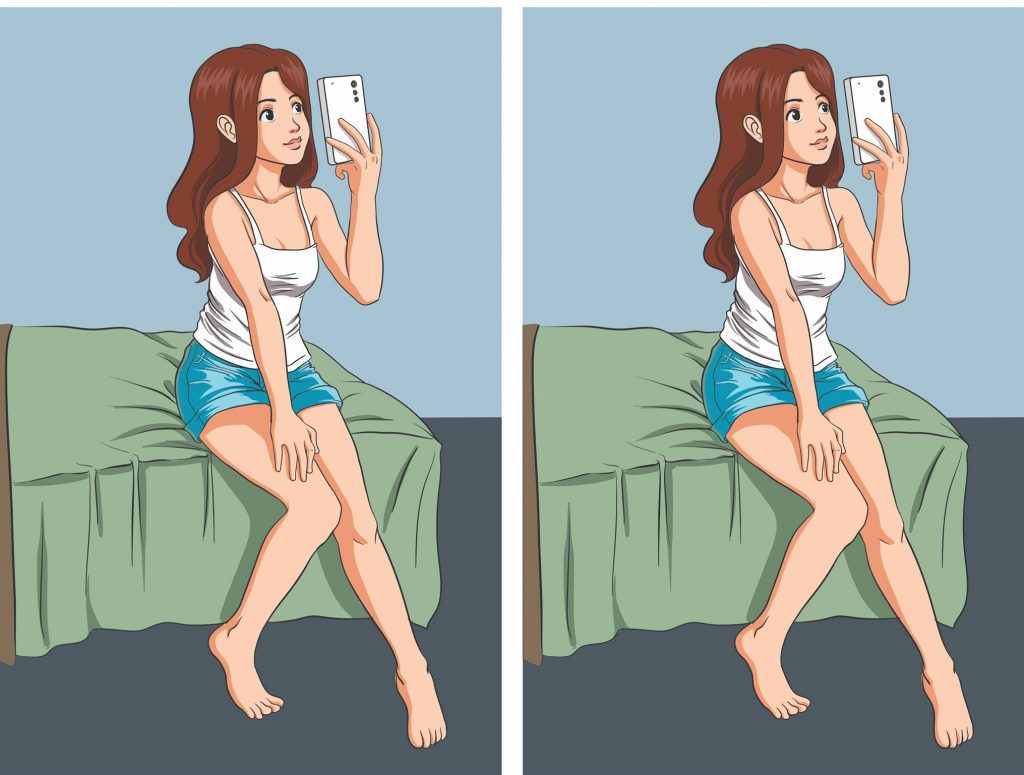
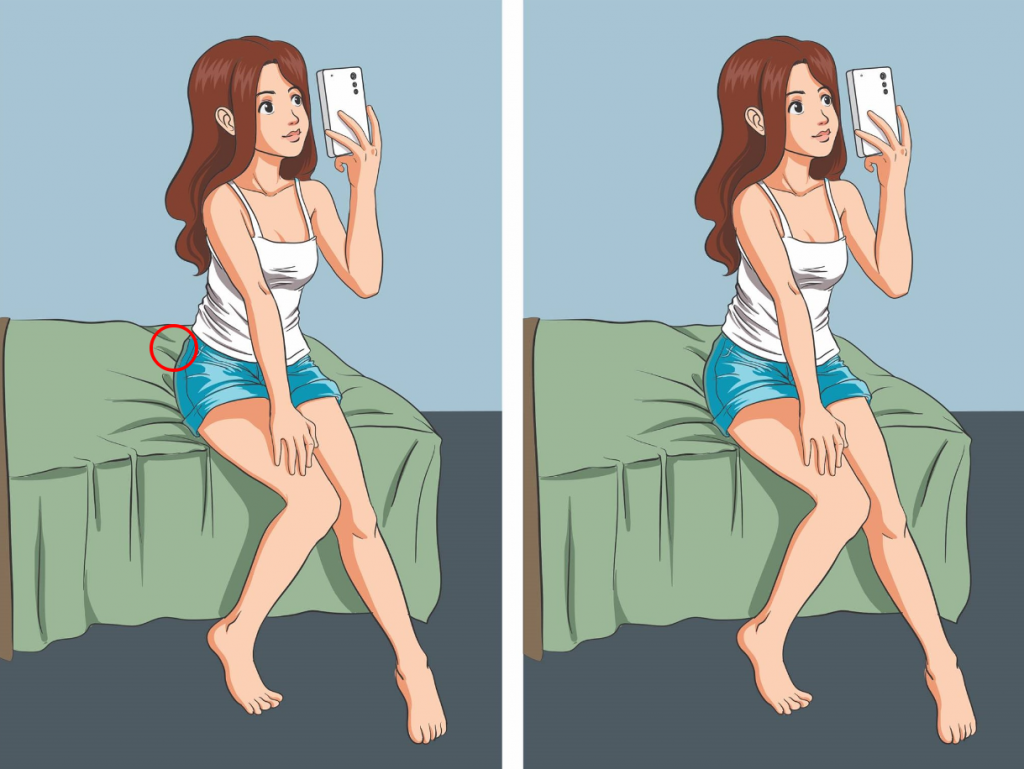
In today’s digital age, smartphones are at the forefront of how people interact with the world. One of the most prominent activities among young people is the practice of taking selfies, a phenomenon that has become an integral part of social media culture. In the image above, we see a young girl sitting on her bed, snapping a selfie with her smartphone—a perfect example of how technology has shaped personal interaction and self-expression. This article will explore how selfies and social media are influencing the behavior and perceptions of youth in the digital era.
The Rise of the Selfie Culture
The selfie, once just a casual photo, has become an art form and a form of communication in the digital world. From social media platforms like Instagram to Snapchat and TikTok, selfies allow individuals to portray their identity and share personal moments with a broader audience. But why has the selfie become so widespread?
The Accessibility of Smartphone Cameras
One of the main reasons for the rise in selfies is the accessibility of smartphone cameras. With a simple tap on the screen, individuals can capture high-quality images of themselves, anytime and anywhere. This convenience has made selfies an everyday practice for many, especially among young people who are adept at using technology.
Self-Expression and Identity
Selfies provide an avenue for self-expression. Many young people use them as a way to showcase their individuality, whether through their style, makeup, or creative poses. This visual representation of themselves online allows them to curate an image that reflects their identity, which can be empowering and affirming, especially during formative years.
The Role of Social Media in Shaping Perceptions
Social media platforms have taken selfies from a personal act to a global trend. With billions of users sharing their photos online, these platforms have become spaces where young people express themselves, connect with others, and seek validation. But what impact does this constant sharing have on their sense of self-worth?
The Quest for Likes and Validation
One of the most significant factors driving the selfie culture is the quest for likes and validation. Young people, in particular, are heavily influenced by the feedback they receive on their posts. The number of likes, comments, and shares can greatly affect how an individual perceives their self-worth. While this can be a boost to confidence, it can also lead to negative consequences, such as the pressure to meet beauty standards or the fear of rejection.
Influencers and Idealized Lifestyles
The popularity of influencers on social media also plays a critical role in shaping young people’s expectations of themselves. These influencers often present curated, idealized versions of their lives, from glamorous photos to perfectly styled outfits. As a result, young people may feel pressured to mirror these lifestyles, leading to comparisons and dissatisfaction with their own lives. This “highlight reel” approach to life can distort reality and create unrealistic beauty standards.
The Psychological Impact of Selfies
While selfies are a fun and engaging way to capture moments, they come with psychological implications. How does constantly taking and sharing selfies affect self-esteem, body image, and mental health?
Body Image and the Pursuit of Perfection
For many young people, selfies can contribute to body image issues. The act of taking multiple selfies often involves finding the “perfect” angle or using filters to alter one’s appearance. This pursuit of perfection can lead to dissatisfaction with one’s natural self, especially when the online persona doesn’t match reality. It can fuel insecurities about appearance, weight, and facial features, especially among those who are still figuring out their identities.
Social Media and Mental Health Concerns
Studies have shown a correlation between excessive social media use and mental health concerns, such as anxiety, depression, and loneliness. The constant exposure to highly edited, picture-perfect lives can lead to feelings of inadequacy and low self-esteem. Additionally, the anxiety that comes from waiting for social media feedback—whether it’s likes, comments, or shares—can cause stress, particularly among teenagers.
The Positive Aspects of Selfies and Social Media
Despite the challenges, selfies and social media aren’t inherently harmful. They can also offer significant benefits, such as fostering connection, creativity, and personal growth. Let’s explore the positive aspects.
Building Connections and Relationships
Social media offers a unique platform for young people to connect with others around the world. It enables individuals to bond over shared interests, hobbies, and passions, building communities that might not exist otherwise. Selfies, in particular, can be a way of reaching out and connecting with others, whether it’s through shared experiences or as a way to start conversations.
Encouraging Creativity and Self-Reflection
Taking selfies can also encourage creativity and self-reflection. Whether it’s experimenting with different filters, backgrounds, or poses, the process allows young people to express themselves artistically. It can also serve as a form of self-reflection, as individuals document their growth and changes over time, giving them a sense of personal development and continuity.
Navigating the World of Selfies: A Balanced Approach
While selfies and social media offer unique opportunities for self-expression, it’s essential to maintain a healthy balance. Young people can benefit from using these platforms mindfully, understanding the impact of social media on their mental and emotional well-being.
Encouraging Authenticity Over Perfection
One way to navigate the selfie culture is by promoting authenticity over perfection. Encouraging young people to embrace their natural selves, rather than relying on filters or editing, can help foster self-acceptance. Additionally, celebrating real moments and experiences, rather than focusing solely on curated images, can help reduce the pressure to meet unrealistic beauty standards.
Digital Detox and Mental Health Awareness
Another important aspect is promoting regular breaks from social media. A digital detox can provide individuals with a chance to reconnect with themselves and reduce the pressures of online validation. Mental health education is also crucial, helping young people understand how social media affects their emotions and how to manage their mental well-being in a digital world.
Conclusion: The Power of Selfies in Shaping the Digital Generation
Selfies are more than just photos; they are a form of expression, a tool for self-reflection, and a way to connect with others in today’s digital world. While they come with their challenges, particularly concerning body image and mental health, they also offer young people a unique opportunity for creativity and connection. By encouraging authenticity, mindful social media use, and self-reflection, we can help navigate the digital landscape in a way that promotes positive self-image and mental well-being. So, next time you see a selfie, remember: it’s not just a picture—it’s a story of self-expression in the digital age.