Spot the Difference Puzzle: Test Your Observation Skills with This Classroom Scene
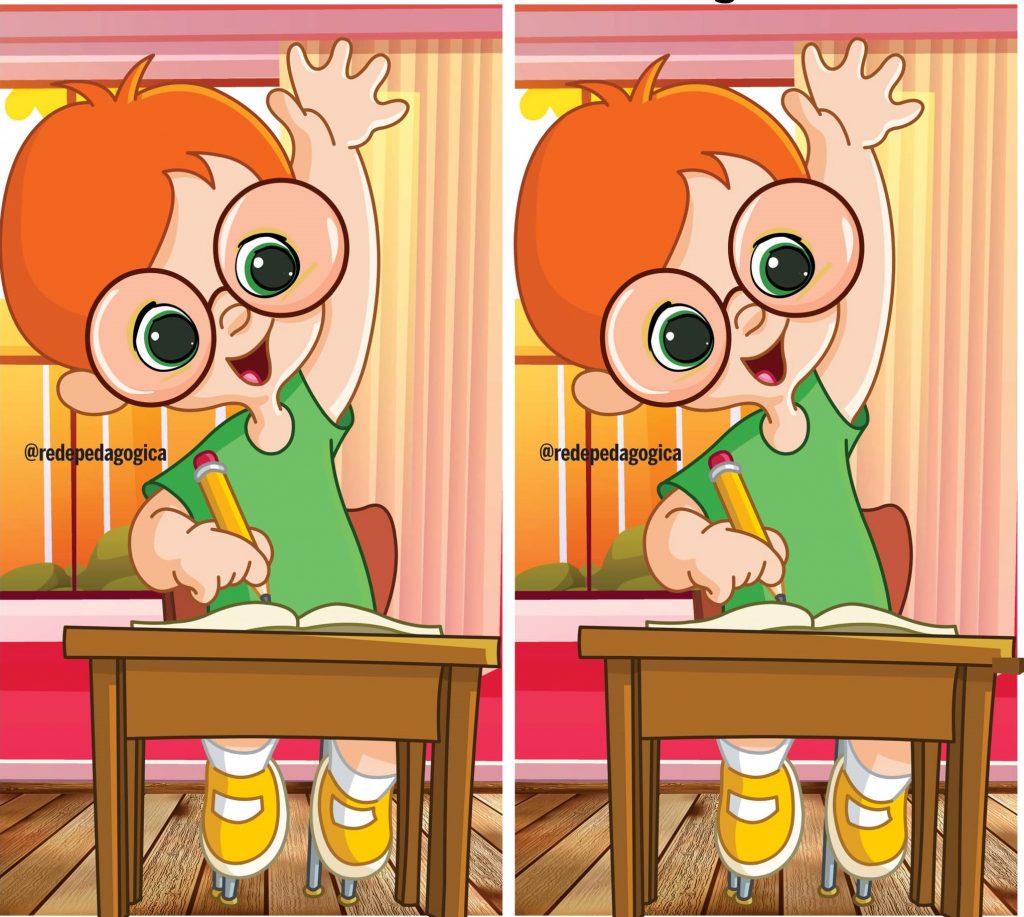
Are you ready for a fun challenge? Test your attention to detail and sharpen your observation skills with this engaging “spot the difference” puzzle! The scene features a cheerful young boy sitting at his desk in a classroom, waving his hand in excitement. But things aren’t as simple as they seem! As you carefully examine the image, you’ll notice that there are subtle differences between the two versions of this scene. Your task is to find them all!
Let’s dive into the world of this curious classroom moment and see if you can catch every difference. Get ready for a puzzle that not only entertains but also boosts your cognitive skills!
The Setting: A Classroom Full of Energy
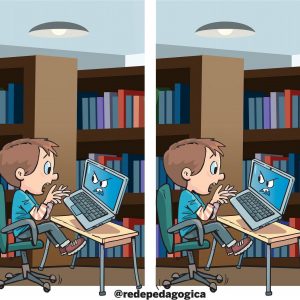
In this vibrant scene, we see a classroom with a cozy and inviting atmosphere. The boy is seated at his desk, eager to participate in class. Behind him, you can spot a large window that lets in natural light, along with a colorful background that makes the entire setting feel lively. With books and school supplies around him, the boy is clearly ready for his lesson.
At first glance, both images might seem identical, but there’s more happening here than meets the eye. As you take a closer look, keep in mind the tiniest details—sometimes the differences are subtle, but that’s what makes these puzzles so fun and rewarding!
The Boy: Focus on the Details of His Expression and Posture
The young boy is the center of attention in this classroom scene. He’s holding a pencil in one hand, looking at the viewer with an excited and friendly expression. His other hand is raised in the air, as if he’s eager to answer a question or join the class discussion.
But wait—could there be a difference in his posture or the way he’s holding the pencil in the two images? Maybe his arm position has shifted slightly, or there’s a small change in the way he holds the pencil. Even the angle of his head might be different between the two versions. Pay attention to these little clues, as they might just lead you to the answer!
The Desk: What’s Changed on the Table?
Next, let’s take a closer look at the desk. It’s neat, with a few objects placed on it—such as a book, a pencil, and perhaps a notebook. Could one of these items have shifted between the two images? Maybe the book’s position has changed, or the pencil has moved to a different spot. There could also be a subtle change in the desk’s surface, like a different shadow or slight alteration in the design. Often, objects on the desk are the key elements to focus on when looking for differences in spot-the-difference puzzles.
The Window and Background: Clues Hidden in the Environment
Behind the boy, there’s a large window that lets in the natural light. The background features elements that add to the classroom’s cheerful environment, like shelves and educational posters. Could one of the posters have changed? Perhaps the window’s view has been altered in some way. Maybe there’s a shift in the color of the curtains or even the shape of the window. These changes in the background might be harder to spot, but they often contain the most challenging differences.
Also, look for any subtle changes in the objects placed around the boy’s desk or in the bookshelves behind him. Sometimes the smallest changes can be hidden in plain sight, so be sure to keep an eye on all of these surroundings!
The Boy’s Outfit: Look for Alterations in His Clothes
The boy is wearing a green shirt and yellow shoes—an outfit that’s comfortable and perfect for his classroom adventure. However, if you look closely, you may find a small difference in his attire. Could one of his shoes be slightly different in one image? Maybe the color of his shirt has subtly changed, or the position of his arms and the way his clothes wrinkle might not be exactly the same.
These kinds of outfit details are often where you’ll find subtle differences in a spot-the-difference puzzle, so make sure to carefully inspect his clothing!
The Lighting: Watch for Variations in the Brightness
The sunlight coming through the window creates a warm and inviting atmosphere in the room. However, lighting can sometimes play tricks on us in spot-the-difference puzzles. Are the rays of sunlight positioned exactly the same in both images? Perhaps the lighting changes slightly between the two versions, affecting the shadows or how bright certain areas appear.
Take a moment to study the light’s position and the shadows in the room. Differences in light are often one of the more challenging changes to spot, so pay close attention!
The Challenge: Time to Find the Hidden Differences
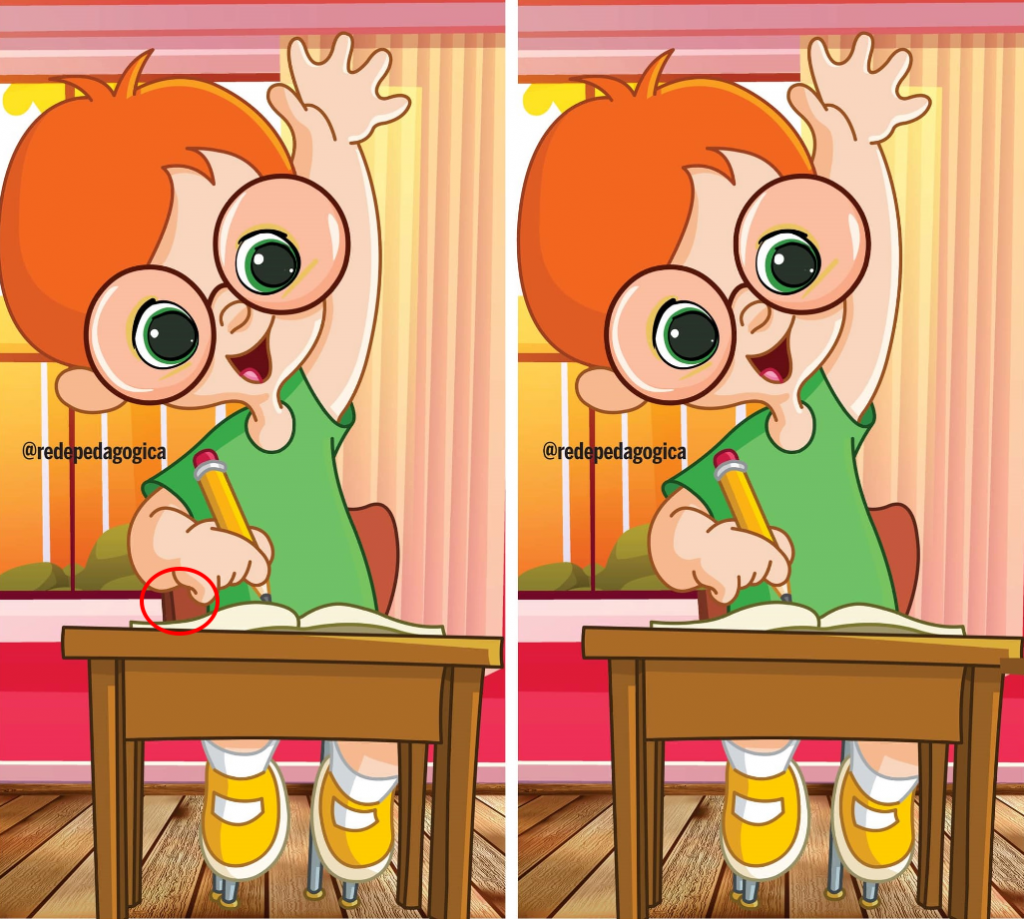
Now that we’ve examined the major elements of the scene, it’s time for you to take the challenge! Compare both images side by side and see if you can find all the hidden differences. Maybe the boy’s hand placement has shifted, or perhaps a small object has moved on the desk. The differences might be subtle, but that’s part of the fun!
Spotting the differences is not just about finding alterations in objects, but also about being able to focus and notice things you might otherwise overlook. This challenge will test your attention to detail, and with a little patience, you’ll spot all the differences!
Why Spot-the-Difference Games Are a Great Mental Exercise
Engaging in spot-the-difference puzzles isn’t just about fun—it’s a fantastic exercise for your brain! These puzzles boost your cognitive abilities by improving focus, attention to detail, and visual processing. The more you practice spotting differences in images, the better you become at recognizing patterns and noticing even the smallest details in your daily life.
Moreover, these puzzles can help with problem-solving skills and memory retention, as you must remember what you’ve already checked and think critically about what could have changed. It’s a playful way to keep your mind sharp and active!
Conclusion: Sharpen Your Mind While Having Fun
This spot-the-difference puzzle featuring the boy in the classroom is more than just a visual challenge—it’s a great way to train your mind and improve your attention to detail. By carefully examining each part of the image, you’re not only solving a fun puzzle but also enhancing your cognitive abilities.
So, did you manage to find all the differences? Whether you found every change or just a few, remember that the real reward is in the process. Spot-the-difference puzzles help you become more observant and mindful, which is a skill that can benefit you in many areas of life. Keep practicing, and who knows? You might become a master at spotting even the most subtle changes in any image!